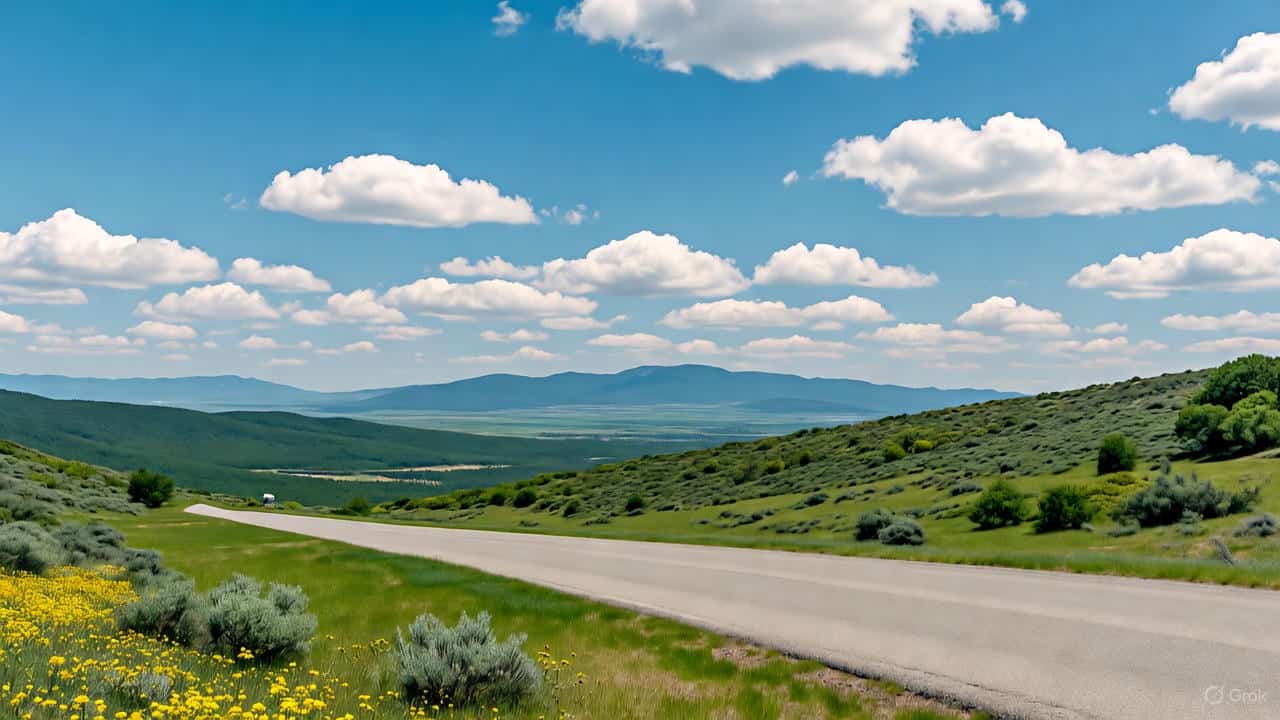
Taking the longer route sparks a unique kind of travel magic. Unfolding the map, tuning into your favorite songs, and pausing at quirky roadside stops all bring a freedom the quickest path can’t offer. Those extra slow miles paint the trip with vivid colors, deeper meaning, and stories that stick with you. Moving from one place to another becomes an adventure full of layers and surprises. Keep reading to discover why choosing the road less traveled makes every journey unforgettable.
Choosing the long way requires a little intention, a sense of curiosity, and some practical planning. This article explains why taking detours pays off, shares concrete route examples, and gives hands on tips to plan detours that add value without derailing your schedule. If you want fresh ideas for routes and small towns to include, refer to this road‑trip route inspiration guide for an expanded list of options.
Why taking the long way pays off for travelers
There are clear benefits to choosing scenic or less direct roads. First, you increase the number of meaningful stops per mile. A single detour can mean new viewpoints, local food, or cultural landmarks that would be missed on a highway. Second, slow travel lowers stress by reducing the urgency to cover large distances in a single day. That lower stress often leads to better interactions with locals and a higher likelihood of discovering hidden gems.
From a learning standpoint, the long way offers context. Historic roads reveal industrial, agricultural, and social histories that explain why regions look and feel the way they do. For road planners and travel writers there is also practical value. You gather data about road conditions, seasonal closures, and services, which makes future planning simpler.
Coastal routes that reward the extra hours
Coastal routes are classic detours that offer variety in landscape and activity. Along the shoreline you can alternate between cliffside viewpoints, small fishing towns, sandy beaches, and seafood stands. These routes are typically slower because of winding roads and frequent pullouts, but the scenery changes constantly and every stop can feel visually different from the last.
- Tip for coastal travel Take advantage of sunrise and sunset times. Morning light often casts a quieter mood on beaches while evenings highlight cliff shapes and shorelines.
- Safety note Watch for seasonal road restrictions and high tide warnings in low lying coastal areas. A short phone call to a local visitor center can save a long detour later.
Historic inland roads that tell a story
Roads that link old towns, farms, and preserved sites provide a picture of how a region evolved. These detours are full of roadside museums, historic markers, and architecture that dates back a century or more. Stops on these routes are often educational and affordable, and they offer excellent photo opportunities for those who want depth beyond postcard views.
Example routes include older trunk roads and state routes that predate the interstate system. These roads were built to connect communities before rapid transit existed and they tend to run through town centers, not around them. That makes it easy to find a local diner or an independent bookstore without leaving the main strip.
Mountain passes that turn driving into active sightseeing
Driving through mountain passes transforms transit into an extended outdoor experience. These roads often include pullouts with panoramic views, short trails, and rest areas where wildlife is visible. The physical geography forces a slower pace which allows for repeated stops without losing much time overall.
What to check before you go
Check elevation changes and road grade percentages if you are towing or driving a large vehicle. Mountain roads can have steep grades that affect fuel use and vehicle temperature. Verify weather and seasonal closures before departure because snow and rockslides can make a scenic pass inaccessible at certain times.
Driving tips for mountain routes
Use lower gears on descents to reduce brake wear. Plan for shorter daily mileage when mountain driving is on the agenda, since average speed is lower and you are likely to make more stops for views and photos. Carry extra water and a basic cold weather kit if elevations are high.
Small towns and roadside culture that enrich the trip
Small towns are where local culture is most visible. Independent shops, seasonal fairs, and community murals reveal the character of a place in a direct way. When you turn off the main highway into a town center you gain access to unique food, local stories, and services that often have better value than things on major tourist strips.
- Example stop Seek out local bakeries and markets for regional specialties. A short visit yields both sustenance and context for the area you are passing through.
- Interaction tip Spend a few minutes speaking with a store owner or a park attendant. These conversations often suggest little known places and practical advice about road conditions or timing.
How to add worthwhile detours without losing a day
Adding detours while staying on a schedule is a planning exercise. One useful approach is to block travel into morning and afternoon segments, leaving midday flexible for exploration. Pick one or two meaningful detours per day rather than trying to stop at every interesting sign. That keeps your timeline manageable and gives each stop enough time to appreciate it.
Use time buffers when building an itinerary. If you plan for six hours of travel, build in a two hour buffer for food and quick stops. For longer overnight stops include at least three hours of unstructured time within your daily window to let you explore without haste.
Mapping and timing techniques
Choose primary and secondary stops. Primary stops are the places you definitely want to visit, such as a national monument or a particular town. Secondary stops are flexible, like scenic pullouts or roadside cafes that you can choose based on pace. This two tier system keeps the trip purposeful while leaving room for spontaneity.
Packing and vehicle prep for long detours
Proper preparation makes the long way comfortable. A brief checklist includes basic maintenance items, a spare tire and jack, a small first aid kit, and a power bank for phones. Beyond the basics consider a cooler for snacks and local produce, a compact folding chair for quick rests, and layered clothing for variable conditions.
- Maintenance check Fluid levels, tire pressure, and lights should be inspected before long detours.
- Storage tip Use soft sided bags for easy adjustments in compact cars. They compress and allow you to fit odd shaped souvenirs.
- Entertainment idea Prepare mixed playlists and podcasts that match the mood of different segments of the trip.
Examples of long way routes to consider
Specific route ideas help planners visualize the payoff of slow travel. Consider coastal byways where every mile offers a new angle on the sea. Try historic inland routes to experience heritage towns, or pick a mountain corridor that includes several scenic pullouts and short hikes. For each choice, plan one meaningful stop and one flexible stop per day so you maintain momentum and pleasure.
Here are a few types of routes to spark ideas in your planning session. A river road that follows a major waterway often includes levee towns and riverside parks. A ridge line route offers high point views and picnic spots. Old state highways tend to have diners and service stations that have served travelers for generations. Mix types to create variety within a single trip.
Practical budgeting for taking the longer road
Longer routes change the cost profile of a trip. You may spend more on fuel, but you can offset that with savings on lodging by using fewer long driving days and staying in less expensive small towns. Food costs often decrease if you buy from local markets rather than tourist restaurants. Build a realistic per day budget that includes extra fuel for detours and a contingency for unexpected attractions.
- Fuel planning Use an app to estimate fuel between stops and add 10 percent for detours.
- Accommodation strategy Consider mixed lodging nights, such as one midrange hotel and a night at a small inn, to experience variety without overspending.
When possible, plan to travel during shoulder seasons. Crowds are smaller, prices are lower, and service staff in small towns often have more time for conversation, which leads to better recommendations and a richer trip experience.
Choosing the long way is not a rejection of efficiency. It is an invitation to pay attention to the road and the people along it. With a few practical steps like mapping primary and secondary stops, performing vehicle checks, and budgeting for extra fuel, you can add memorable sections to a route without blowing the schedule.
Try one longer detour on your next trip to see how it changes the trip narrative. Make a plan, keep one day flexible, and let the road lead to memorable moments. If you enjoyed these ideas, share the list with friends or use it to plan your next route.
Conclusion
Taking the long way on a road trip changes a simple transit into layered travel. Detours add visual variety, local encounters, and often a deeper understanding of a region. Coastal drives offer changing tide lines and seafood stands. Mountain passes provide viewpoints and easy trail access. Historic roads show the social and economic threads that formed towns and regions. With sensible planning you can add value to your trip through one or two meaningful detours each day without becoming behind schedule. Use the planning techniques discussed here such as setting primary and secondary stops, building time buffers, and performing vehicle checks to make detours smooth and enjoyable. Now pick a route, select a small town or scenic byway to explore, and give yourself permission to slow down. Share your plan or ask for specific route suggestions to get started on a memorable trip.