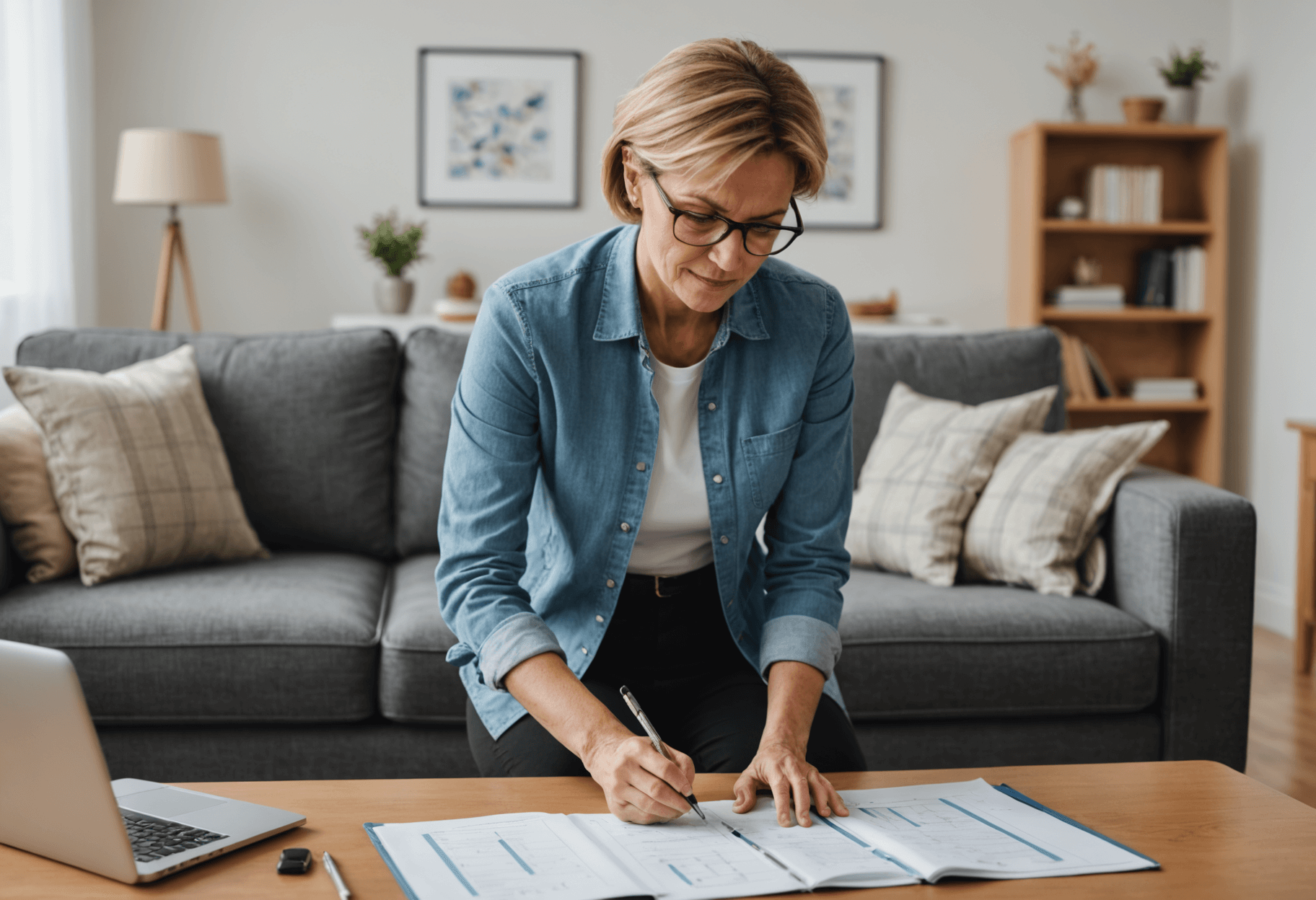
Falls at home lead to many injuries, especially for seniors. As people grow older, balance, strength, and coordination often get weaker, making falls more common. Many believe falls happen only outside or in unfamiliar places, but homes can be just as dangerous without proper safety measures. A careful fall risk check helps uncover hidden dangers and makes the living space safer for everyone. Knowing this can save you from serious accidents and help keep life steady. The next part reveals how to transform your home into a safe fortress against falls.
Proactively assessing fall risks at home isn’t just about addressing immediate hazards; it’s about fostering confidence and independence. Whether you are caring for an elderly relative, or simply want to make your home a safer environment as you age, understanding how to identify and mitigate common dangers can significantly reduce the likelihood of falls and related injuries. In this guide, we’ll explore practical steps, expert tips, and common pitfalls to watch out for, empowering you to safeguard your home effectively.
Understanding Why Conducting Fall Risk Assessments at Home Is Critical
Falls are a leading cause of injury among seniors, with statistics showing that one in four adults over 65 experiences a fall each year. These incidents can lead to serious injuries such as fractures, head trauma, or even long-term disability. Conducting fall risk assessments is a proactive approach to minimize these dangers by evaluating your environment and making adjustments as needed.
Beyond the physical dangers, falls can impact mental health, causing fear of falling again and reducing mobility. This fear might lead to social isolation or decreased activity, which can exacerbate balance issues. Regular assessments help maintain independence and confidence by addressing hazards before accidents occur.
Key Areas to Focus on During Your Home Fall Risk Assessment
Identifying Common Fall Hazards in the Home
- Cluttered Pathways: Items left on walkways, such as shoes, cords, or toys, can pose tripping hazards.
- Poor Lighting: Insufficient lighting makes it difficult to see hazards; hallways, staircases, and bathrooms are critical areas.
- Uneven Flooring and Loose Carpets: Cracks, loose rugs, or uneven surfaces can cause slips and trips.
- Bathrooms and Shower Areas: Slippery surfaces, lack of grab bars, and inadequate seating increase fall risk.
- Stairs and Steps: Missing handrails or uneven stairs present significant dangers, especially at night.
Assessing Home Accessibility for Fall Prevention
- Evaluating Bathroom Safety: Install grab bars, non-slip mats, and shower seats to reduce risks.
- Ensuring Proper Lighting: Use nightlights in hallways and bathrooms, replace dim bulbs, and consider motion-activated lighting.
- Securing Rugs and Carpets: Use non-slip pads underneath loose rugs, or replace with fixed flooring.
- Improving Staircase Safety: Add sturdy handrails on both sides, and mark the edges with contrasting tape for visibility.
- Checking Walkways: Clear clutter, repair uneven surfaces, and consider installing ramps if needed.
Steps to Effectively Conduct a Fall Risk Home Assessment
Step 1: Walkthrough and Observation
Begin by walking through all the living spaces, paying attention to areas where falls are most likely to occur. Look for trip hazards such as loose cords, stacked objects, or clutter. Notice poor lighting or uneven surfaces. Take mental or physical notes for later action.
Step 2: Involve the Person at Risk
If the assessment is for a loved one, involve them in the process. They can offer insight into difficulties they face and alert you to hazards you might overlook. This also encourages ownership of safety measures.
Step 3: Use a Checklist or Tool
Utilize checklists designed for fall risk assessments, which can guide you systematically through the process. These tools often highlight specific hazards and recommended interventions, making the assessment more comprehensive.
Step 4: Prioritize and Implement Changes
Not all hazards are equally dangerous or feasible to fix immediately. Prioritize high-risk areas such as staircases or bathrooms. Small modifications like installing grab bars or securing rugs can make a significant difference.
Practical Tips for Maintaining a Fall-Free Home Environment
- Regular Maintenance: Keep floors clean and dry, repair damaged flooring, and replace worn-out rugs.
- Use Non-Slip Products: Apply non-slip adhesive strips or mats in bathrooms and kitchens.
- Keep Items within Reach: Store frequently used items at waist level to avoid unnecessary stretching or climbing.
- Encourage Safe Footwear: Wear sturdy, well-fitting shoes with non-slip soles indoors.
- Stay Visible and Alert: Use contrasting tape on stair edges and ensure your home’s lighting is adequate during nighttime.
Seeking Professional Help for Fall Risk Assessment
While a basic assessment can be performed at home, consulting professionals ensures a detailed review, especially for those with existing health issues or mobility challenges. Many healthcare providers or occupational therapists specialize in fall prevention and can conduct comprehensive evaluations. They may suggest modifications tailored to individual needs and even provide balance training or physical therapy recommendations.
If you’re unsure how to proceed or want expert guidance, consider reaching out to local health services or specialists who can conduct a detailed assessment. For older adults living in complex environments, engaging a professional is an investment in safety and confidence. Remember, prevention is always better than dealing with the consequences of a fall.
Creating a Long-Term Fall Prevention Plan
Conducting an initial assessment is the first step, but fall prevention should be ongoing. Regularly review and update safety measures, especially after home renovations or changes in health status. Establish routines such as regular check-ins, updating lighting, and re-evaluating clutter or hazards. Educate family members and caregivers about fall risks and safety protocols to create a supportive environment.
Maintaining open communication and staying vigilant ensures that safety remains a priority. Incorporating balance exercises, strength training, and adequate medication management can also reduce fall risks. The bottom line is that a fall prevention plan is dynamic and adaptable, tailored to evolving needs and circumstances.
Final Thoughts and The Next Step
Taking steps to conduct a fall risk assessment at home is a vital part of ensuring safety and preserving independence. It requires a keen eye for detail, practical adjustments, and sometimes professional guidance. Remember that small changes can have a significant impact, transforming your living environment into a safer space that reduces the chances of falls and injuries.
If you’re unsure about how to start or want more detailed guidance, consider exploring resources and expert advice available online. For example, easternsuburbsmums.com.au offers valuable tips and checklists to help you develop an effective fall risk assessment tailored to your home environment. Don’t wait until an accident occurs—take action now to create a safer living space for yourself or your loved ones. Your proactive steps today can lead to a fall-free tomorrow.