

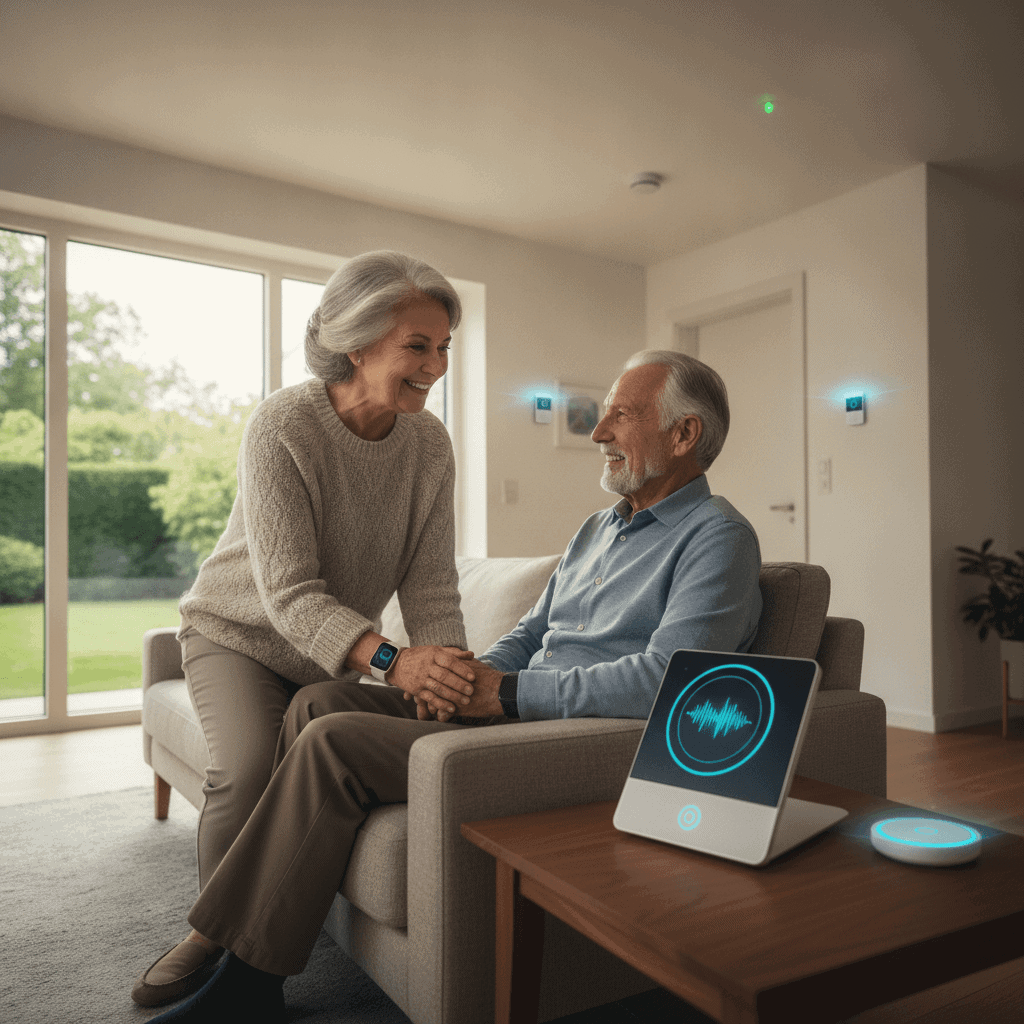
Ensuring the well-being of our senior loved ones as they age gracefully in their own homes is a deeply important matter for many families. I have seen firsthand how much peace of mind smart home technology can offer. We want to support their independence while also knowing they are safe and secure.
In today’s fast-paced world, smart alarms for seniors have become a cornerstone of modern elder care. These systems go far beyond traditional emergency buttons, offering a comprehensive layer of protection that truly enhances their home life. They blend seamlessly into daily routines without being intrusive.
The right smart alarm system can make all the difference, transforming a house into a truly intelligent and responsive environment. This technology is designed to anticipate needs and react quickly in critical situations. It provides reassurance not just for the seniors themselves, but for their entire support network.
The Evolving Landscape of Senior Home Safety
Home safety for seniors has changed a lot over the years. What used to be simple check-ins or basic alarm systems has now developed into sophisticated networks. These new systems use cutting-edge technology to provide continuous monitoring and rapid response capabilities.
I remember when emergency alerts were limited to a pendant that only worked if you pressed it and were within range of a base station. The current options are much more advanced. They leverage sensors, artificial intelligence, and connectivity to create a much safer living space.
There is a growing desire for seniors to age in place, staying in their familiar surroundings for as long as possible. This trend makes smart alarm systems even more essential. They offer a practical solution to maintain independence while still addressing potential safety concerns. Our older population deserves solutions that respect their dignity and autonomy, and smart alarms deliver on this promise.
From Basic Alarms to Integrated Solutions
Traditional alarm systems primarily focused on intrusion detection. They would sound a loud siren if a door or window was breached. While still important, this approach did not address many of the unique safety challenges faced by seniors. Falls, medical emergencies, or even forgetting to turn off an appliance pose significant risks.
Modern smart alarms integrate these different aspects into a single system. This means that instead of having separate devices for different threats, everything works together. It makes management simpler and ensures a more cohesive safety net for the senior. This integration is a huge step forward in home protection.
Understanding Different Types of Smart Alarms for Seniors
When we talk about smart alarms for seniors, we are really discussing a range of technologies designed to work together. It is not just one device but a collection of tools that provide layered protection. Each type serves a specific purpose, contributing to an overall safer environment.
I often advise families to think about their loved one’s specific needs and challenges. Some seniors might primarily need help with fall detection. Others might benefit more from systems that monitor activity patterns or remind them about medication. The beauty of smart alarms is their flexibility to adapt.
The core idea is to create a responsive home that can alert family members or emergency services when help is needed. This immediate notification can make a critical difference in outcomes. It moves beyond passive safety measures to active, real-time protection.
Personal Emergency Response Systems (PERS)
Personal Emergency Response Systems, or PERS, are perhaps the most well-known type of smart alarm for seniors. These systems usually involve a wearable device, like a pendant or wristband, that connects to a base unit. When the senior presses a button, it immediately sends an alert to a monitoring center or designated contacts.
Many modern PERS now include advanced features like GPS tracking for those who are mobile and fall detection. Fall detection automatically sends an alert if it senses a sudden impact. This is incredibly valuable because not all falls allow a person to press a button. Some systems even have two-way voice communication built into the pendant, allowing direct conversation with responders.
Environmental Monitoring Alarms
Environmental monitoring alarms keep an eye on the home environment itself. These are essential for preventing household accidents and detecting potential dangers that might not be immediately obvious. I believe these systems are just as important as personal alarms for a truly safe home.
These alarms can detect smoke, carbon monoxide, and even water leaks. Some smart versions can connect to smart thermostats to monitor extreme temperature changes. This helps prevent issues like hypothermia or heatstroke. They also offer valuable information about the overall health of the home environment.
Key Features That Enhance Senior Well-being
Smart alarms are packed with features that directly improve the quality of life and safety for seniors. These features are designed with their unique needs in mind. They focus on preventing common issues and providing quick assistance when necessary.
From my perspective, the most impactful features are those that empower seniors to live independently without constant worry. They allow them to feel secure in their own space. Family members also gain significant reassurance knowing that advanced systems are in place.
These systems often provide data and insights that can be helpful for families and caregivers. They can track activity levels or sleep patterns. This information can indicate changes in health or routine. This proactive approach to care is a major benefit of smart alarms.
Fall Detection and Motion Sensors
Falls are a leading cause of injury among older adults. Smart alarms with integrated fall detection technology offer a critical layer of protection. These devices use accelerometers and other sensors to identify when a fall has occurred, automatically alerting emergency contacts or monitoring services.
Beyond detecting falls, motion sensors can be used to monitor activity patterns in the home. For example, if a sensor in the bedroom does not detect motion by a certain time each morning, it could indicate an issue. These sensors can also identify if a senior has left the house at an unusual hour. This provides useful insights without being overly intrusive.
Medication Reminders and Smart Monitoring
Forgetting medication can have serious health consequences for seniors. Many smart alarm systems now offer integrated medication reminders. These can be visual, auditory, or even text message alerts that prompt seniors to take their pills at the right time.
Some advanced systems include smart monitoring for daily routines. This can involve sensors on refrigerator doors to ensure regular eating or sensors that detect if the stove has been left on too long. This kind of comprehensive monitoring creates a safer environment by addressing common oversights. It offers a truly intelligent support system.
Integrating Smart Alarms for Comprehensive Home Protection
True home safety for seniors goes beyond individual devices. It involves integrating various smart alarm components into a cohesive system. This integrated approach ensures that all aspects of a senior’s home life are monitored and protected. We want to build a layered defense for their well-being.
Imagine a scenario where a smoke alarm detects a fire. This immediately triggers an alert to a monitoring center. It also unlocks smart doors for easier evacuation and turns on lights to guide the way. This kind of coordinated response is what comprehensive home protection is all about.
This integration removes the burden from family members who might otherwise be juggling multiple apps or checking different devices. A centralized system streamlines everything, making it more reliable and easier to manage. It is about creating a truly responsive and supportive living space.
Creating a Connected Home Environment
A connected home environment is one where different smart devices communicate with each other. For seniors, this means their smart alarms can interact with other smart home technologies. For instance, a fall detection alert could automatically adjust the thermostat to a comfortable temperature or send a message to smart speakers with reassuring words.
This level of connectivity makes the home itself an active participant in the senior’s safety and comfort. It creates a seamless experience that feels natural rather than invasive. This holistic approach ensures protection across all potential risk areas, providing thorough security.
Addressing Kitchen Safety with Smart Technology
The kitchen is often a focal point of daily life, but it can also present unique hazards for seniors. This is where smart kitchen safety seniors plays a crucial role as part of a larger smart alarm setup. Devices like smart stove monitors can detect if a burner has been left on unattended for too long and automatically shut it off.
Additionally, smart refrigerators can help track food freshness to prevent foodborne illnesses. We also see smart water sensors that detect leaks from dishwashers or sinks. These subtle but powerful technologies ensure that one of the most used rooms in the house remains safe and functional. They offer critical protection against common accidents that often occur in kitchen spaces.
Choosing the Right Smart Alarm System for Your Loved Ones
Selecting the ideal smart alarm system for a senior requires careful thought. It is not a one-size-fits-all solution because every individual has different needs and living situations. I always recommend a thorough assessment of what would best support their independence and safety.
We should consider the senior’s current health status, their mobility, and any specific medical conditions they might have. For example, someone prone to falls would benefit greatly from advanced fall detection. Someone with memory challenges would likely benefit from medication reminders.
It is important to involve the senior in this decision-making process as much as possible. Their comfort and willingness to use the system are key to its success. We want them to feel empowered by the technology, not overwhelmed by it.
Factors to Consider Before Purchase
First, evaluate the ease of use. The system should be intuitive and simple for the senior to operate, especially during an emergency. Complicated interfaces can cause frustration and delay response. Look for clear buttons and straightforward commands.
Second, consider the monitoring service options. Some systems offer professional 24/7 monitoring, while others alert family members directly. Professional monitoring often provides a faster and more reliable response, but it usually comes with a monthly fee. Budget considerations are also important when making this choice.
Third, think about expandability. Can the system grow with their needs? You might start with basic fall detection and later add environmental sensors or smart home integration. A modular system offers flexibility for the future. Always consider these long-term benefits.
Practical Tips for Implementation and Ongoing Support
Once you have chosen a smart alarm system, proper implementation is vital. It is not just about installing the devices but also about creating a support structure around them. I have learned that the best technology performs even better with thoughtful setup and ongoing care.
The first step involves careful installation of all components. Make sure devices are placed where they will be most effective. This means motion sensors in high-traffic areas and fall detectors in bathrooms and bedrooms. Always follow manufacturer guidelines for optimal performance.
Regular testing of the system is absolutely essential. We should periodically check that all alarms are functioning correctly and that alerts are being received by the appropriate contacts. This ensures readiness when a real emergency occurs. It builds confidence in the system.
Ensuring Seamless Operation and User Adoption
To ensure seamless operation, educate everyone involved, including the senior, family members, and any caregivers. Everyone should know how the system works, what to do if an alarm is triggered, and who to contact for support. Clear communication is key to success.
Encourage the senior to wear any personal alarm devices consistently. Help them understand that it is for their safety and peace of mind. Address any concerns or fears they might have about the technology. A positive attitude towards the system can greatly improve its effectiveness.
Finally, stay updated with software and firmware changes. Many smart alarm systems receive updates that improve functionality or add new features. Regularly check for these updates to keep the system performing at its best. This proactive maintenance ensures long-term reliability.
Final Thoughts on Empowering Seniors with Smart Alarms
Securing their home life with smart alarms for seniors represents a significant step forward in elder care. It is about more than just reacting to emergencies. It is about creating an environment where seniors can thrive with confidence and independence. We are giving them the tools to live safely in their cherished homes.
I firmly believe that investing in these technologies is an investment in peace of mind for everyone involved. The benefits extend beyond immediate safety, fostering a greater sense of well-being and reducing stress for both seniors and their families. This is a powerful way to show care and support.
From fall detection and environmental monitoring to medication reminders and integrated home security, smart alarms offer a robust shield of protection. They enable proactive care and timely intervention. These systems are designed to adapt and grow with the changing needs of our loved ones, making them a sustainable solution for long-term care.
If you are considering smart alarms for a senior in your life, I encourage you to research the options available. Think about what specific challenges your loved one faces and how technology can provide practical solutions. Speak with providers, compare features, and involve your senior in the selection process. Empower them to continue living their best life, securely and independently, with the help of modern smart alarm technology. Take the step to explore these solutions today.

